
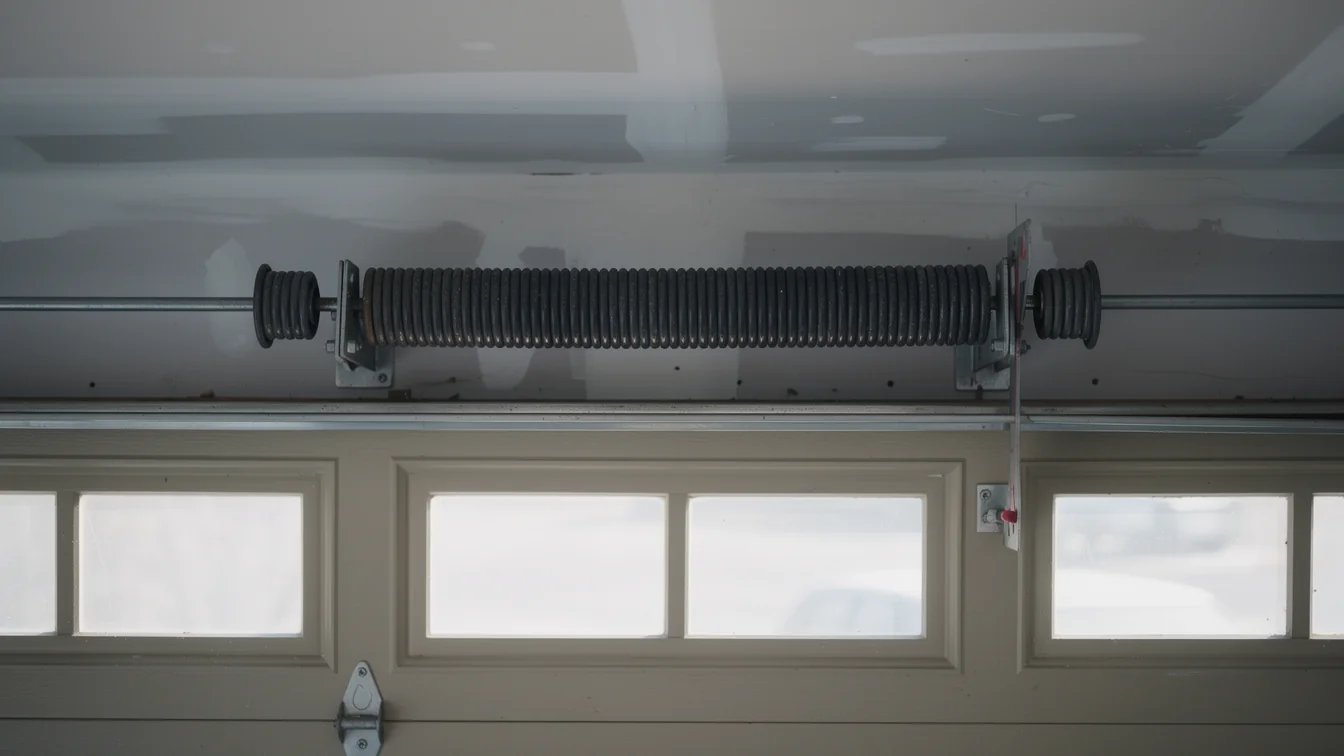
Garage Doors Built for Benbrook's 1980s-90s Housing Stock
Benbrook homes mostly date 1953-2011, many from the 1980s-90s boom, and the moderate heat band changes how springs, openers, and tracks fail here over time.
Read moreBlogBenbrook, TX · 4 min read
Benbrook homes built mostly between the 1980s and 2011 still have working torsion springs and openers worth repairing before full replacement makes sense.
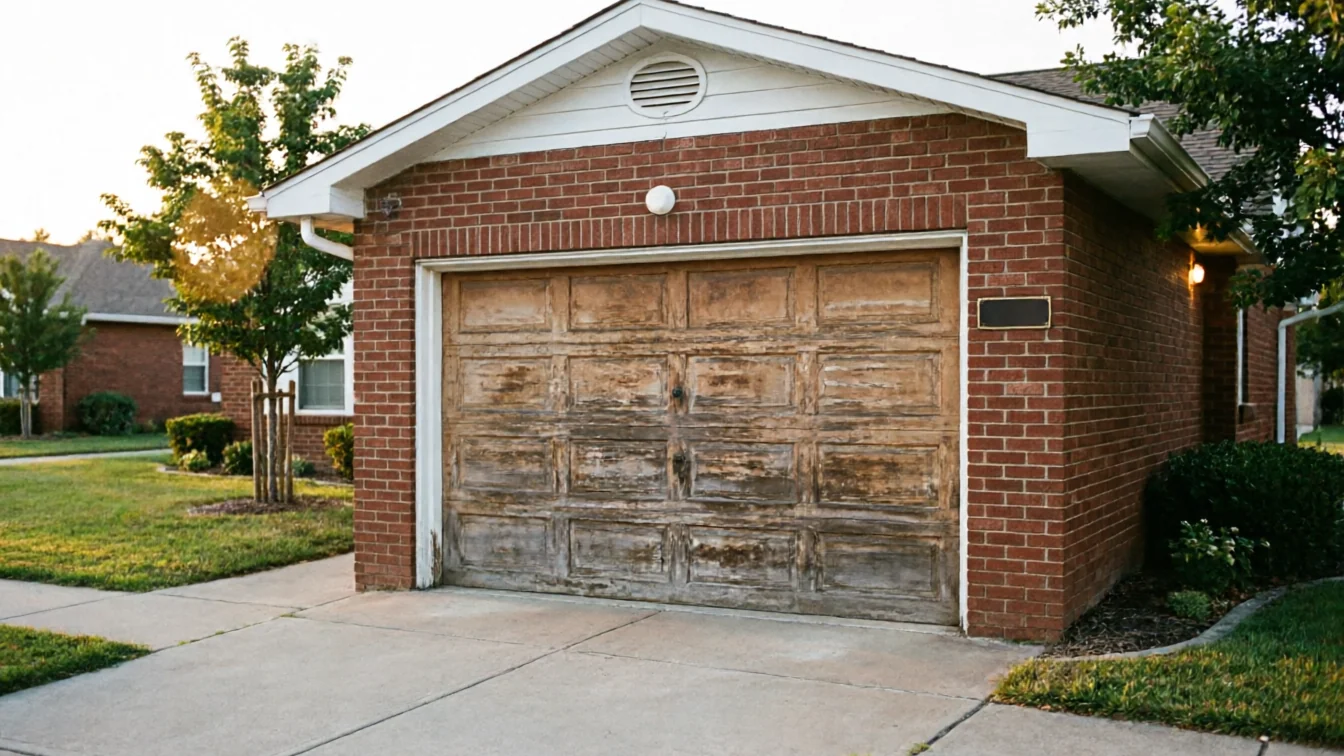
Local detail
Most houses on this side of Benbrook went up between 1953 and 2011, with the median build year landing around 1991, and the bulk of that stock dating to the 1980s and 90s across the area's named subdivisions. That matters for one reason: doors and openers installed during that run were built to a different standard than what's sold today. Torsion spring sizing, drum width, and track gauge from a 1988 build don't always match a 2024 kit off the shelf. A tech who doesn't check the year of the house before quoting a repair is guessing.
The moderate-heat climate band Benbrook sits in doesn't cook hardware the way a true desert zone would, but it still cycles hot and cold enough each year to dry out factory lubricant on older rollers and stretch out weatherstripping that was never rated for extended UV exposure. On a house from the 1980s-90s cohort, that usually shows up as noise and drag before it shows up as full failure. Catching it there is cheaper than catching it after a cable snaps. We look at the house's age first, because it tells us what's likely inside the header before we ever touch a panel.
The area
We're not going to put a number here that isn't backed by a real quote, because a torsion spring repair on a 1991-built door with original hardware is not priced the same as swapping a standard spring on a door installed last year. Parts availability drives most of the difference. Original drums, shafts, and some bracket styles from the 1980s and 90s stock common in Benbrook aren't stocked the way current parts are, and sourcing the right match can add a trip or a delay that a newer door never needs.
What we can tell you honestly: if the opener and springs are original to a house built in that median-1991 window, the repair is usually smaller than people expect, because the steel and the track geometry from that era were built heavy. The part that usually fails first is the spring or the cable, not the door itself. Where it gets expensive is when the bottom panel has rusted or warped from years of ground moisture - at that point you're not fixing a door, you're buying time on one that's already decided its own schedule. That's the one case where we'll tell you straight that replacement beats repair.
What we find
Benbrook's climate band is moderate on the heat scale, which means the metal in your track and header doesn't go through the extreme expansion-contraction swings that cause real structural problems. But moderate doesn't mean nothing happens. Steel track expands enough across a summer to tighten tolerances that were set loose in a cooler month, and on an older door with original rollers - common in the 1980s-90s stock that makes up most of the area - that shows up as binding or a grinding sound right at the top of the door's travel.
On the household side, this is also when original nylon rollers from a 1990s install start to crack rather than wear smooth, because heat dries them out faster than cold does. If your door was installed anywhere near the median 1991 build year and you're hearing a new noise in the warmer months, that's usually the roller, not the opener, and it's a cheap fix if it's caught before the roller actually splits and drops the door off its track mid-cycle.
How we work
Across the service area there are 58,687 households and 36,099 owner-occupied houses - the group that actually owns the door in question, as opposed to renting it. With median household income here at $92,599, most owners we talk to can absorb a one-time spring and opener repair without needing to finance a full replacement, which changes the math on an older door that's otherwise sound.
The honest version of the decision: if the house falls in that 1953-2011 build range and the door's structural panel is intact, repair almost always makes more sense than replacing, because the steel underneath is usually fine even when the hardware isn't. We serve the Benbrook area out to places like White Settlement, Westover Hills, Westworth Village, Sansom Park, and Lake Worth, and the same rule holds across that stretch - age of the house tells you more about what's wrong than age of the door alone.
Questions
Depends on the panel, not the age. Steel doors from that era were built heavy, and if the panel hasn't rusted or warped, the spring and roller hardware inside is usually a straightforward repair. We check the panel condition first before quoting either way.
A lot of the 1980s-90s stock common around Benbrook used drum and bracket sizing that current manufacturers don't carry as standard stock anymore. We can usually match it, but it sometimes means an extra day for the part versus a same-day job on newer hardware.
Not dramatically. It's a moderate-heat band, not an extreme one, so you don't get the severe metal fatigue some regions see. What you do get is gradual drying of lubricant and rubber seals over the warm months, which shows up as noise before it shows up as failure.
Recommendation
More garage door guides for Benbrook homeowners.
Benbrook homes mostly date 1953-2011, many from the 1980s-90s boom, and the moderate heat band changes how springs, openers, and tracks fail here over time.
Read more
Benbrook homes built mostly between 1980 and 2000 show specific garage door noise patterns tied to age and Texas heat.
Read more
Benbrook homes built 1953-2011 run a mix of opener generations.
Read moreReady when you are
Benbrook Garage Door Pros repairs and installs garage doors, springs and openers in Benbrook, TX and the surrounding area.