
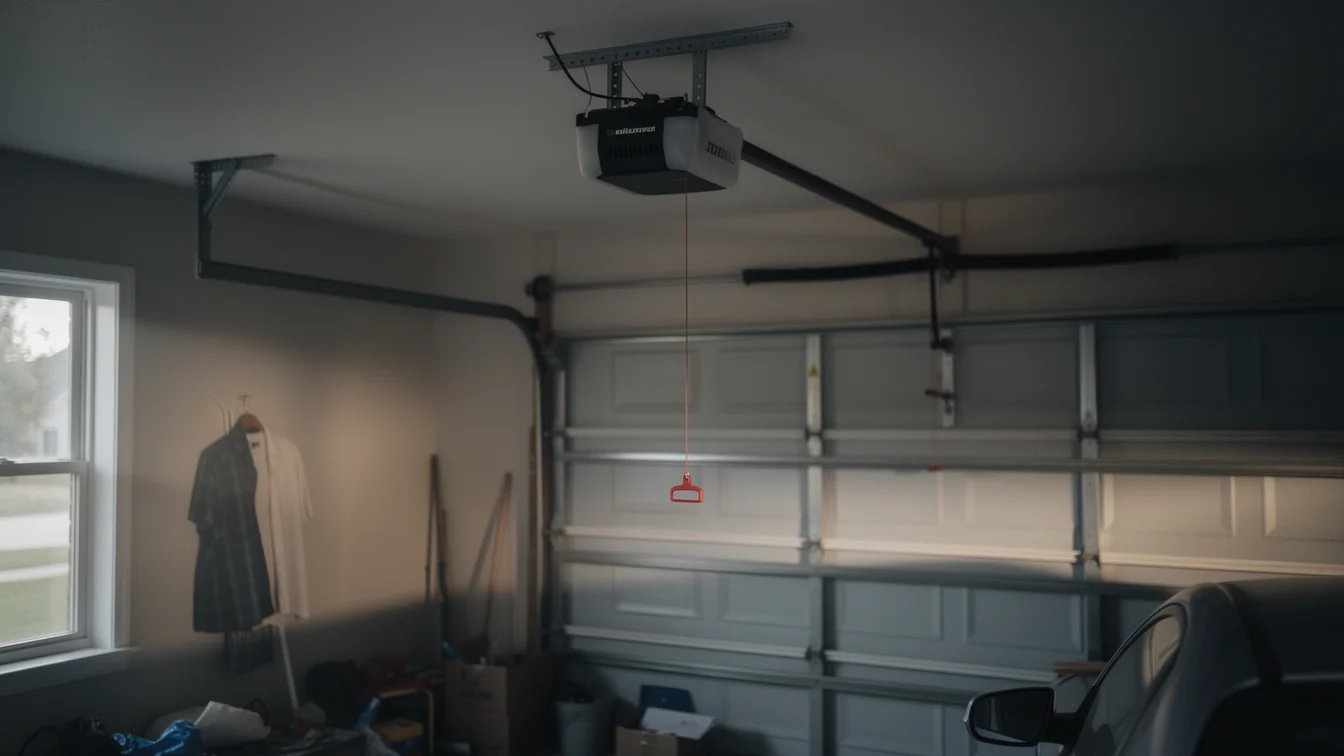
Openers and Power Cuts: What Benbrook Homes Actually Deal With
Benbrook homes built 1953-2011 run a mix of opener generations.
Read moreBlogBenbrook, TX · 4 min read
Benbrook homes built mostly between 1980 and 2000 show specific garage door noise patterns tied to age and Texas heat. Here's what each sound actually means.
Local detail
Most of the housing stock in the Benbrook service area went up between 1953 and 2011, with the median build year landing around 1991. That matters more than people think, because a door bought and installed in 1991 is now old enough to have outlived at least one opener motor and probably its original springs. Across the 23 named areas that make up this stretch of 1980s and 1990s construction, the hardware is remarkably consistent: torsion spring systems on double doors, steel tracks bolted to wood jamb framing that's had thirty-plus years to settle and shift a little.
That consistency is useful. A grinding noise on a door from this era almost always means the same two or three things: a roller that's worn past its bearing, a track bent from age rather than impact, or an opener gear set that's finally given out after years of daily cycles. A slam on closing usually traces back to a spring that's lost tension and isn't carrying its share of the door's weight anymore. We're not guessing here - we're working from what the housing stock actually is, not what it might be.
The area
We don't quote a number without seeing the door, and we won't pretend that's just caution - a torsion spring job on a 1991-era double door and a worn roller replacement on the same door are not the same call, even though both might start with "it's making a noise." What we can tell you is what drives the cost: whether it's a spring, a cable, a roller, or the opener itself, whether the track needs realignment or replacement, and whether the door is a standard double or something non-standard that a lot of these older builds have.
Here's the honest limitation: if a door is original to a house built in the early part of that 1953 to 2011 range, parts for some older opener models aren't always sitting on a shelf, and that can add a day or two to a repair that would otherwise be same-visit. We'd rather tell you that up front than have you find out after we've already pulled a panel.
What we find
Benbrook sits in a moderate heat climate band, not an extreme one, but moderate heat sustained for months still does real work on a garage door system. Steel expands. Torsion springs that were wound to a certain tension when the door was installed sit under more load in the hottest stretch of the year, and the grease inside an opener's gear housing thins out and runs rather than staying where it's supposed to lubricate.
That's usually when you start hearing the door - a squeal on the way up that wasn't there in the cooler months, a opener that strains on the last foot of travel. It's not damage happening in front of you; it's months of heat finally showing up as a sound. None of this means catastrophic failure is imminent. It means the system is telling you it's due for attention before the next heat stretch, not after a spring actually breaks mid-cycle. A door that sounds different in July than it did in January is giving you information, not a malfunction.
How we work
The area we work covers roughly 58,687 households, with 36,099 of those owner-occupied houses, and a median household income of $92,599. That's a service area built mostly by people who own the house they're calling about, not landlords managing a rental portfolio - which tends to mean they want the actual problem fixed, not the cheapest possible patch.
Geographically, that area runs from places like Markum Ranch three miles west and Ridglea Hills three miles northeast, out through White Settlement, Westover Hills, and Westworth Village at the five and six mile mark, and further out to Lake Worth, Saginaw, and Joshua in the ten-to-sixteen mile range. Door hardware doesn't change much across that radius - it's the same 1980s-90s torsion stock throughout most of it - but travel time does, and that's worth knowing before you call expecting a same-hour arrival from the far edge of that range.
Questions
Sustained moderate heat thins the lubricant inside the opener's gear housing and the torsion spring's coil, so parts that moved quietly in cooler months start rubbing dry. It's not sudden damage - it's months of heat catching up with the hardware. A squeal that shows up every summer and fades in winter is usually a lubrication issue, not a structural one.
The median house in this service area was built around 1991, so you're right in the middle of the typical stock, not an outlier. Most doors from that era are on torsion spring systems that have had three decades of cycles. That's old enough that a first spring replacement or opener swap is normal, not a sign of a bad installation.
Not a firm one, because a grinding noise could mean a worn roller or a failing opener gear, and those are very different jobs. We can talk through what's likely based on the age and type of door, but the actual number comes after we look at it in person.
Recommendation
More garage door guides for Benbrook homeowners.
Benbrook homes built 1953-2011 run a mix of opener generations.
Read more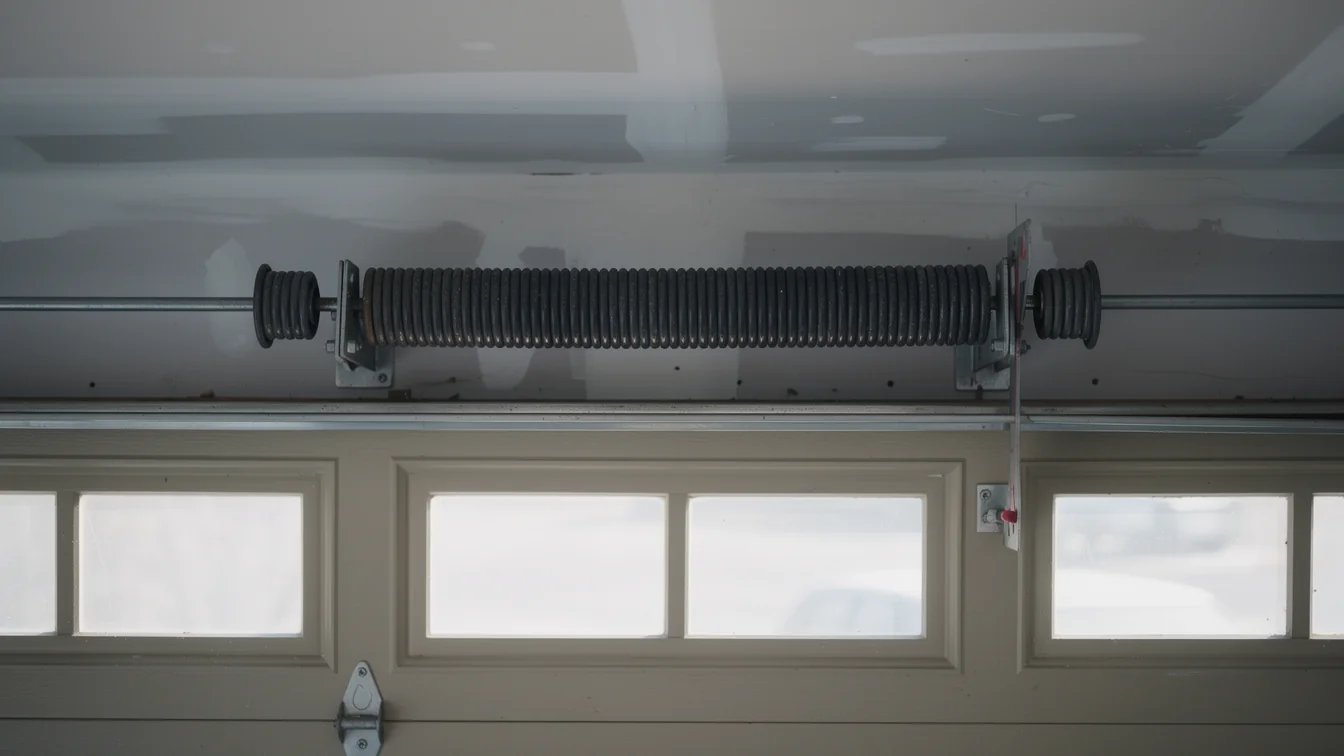
Benbrook homes mostly date 1953-2011, many from the 1980s-90s boom, and the moderate heat band changes how springs, openers, and tracks fail here over time.
Read more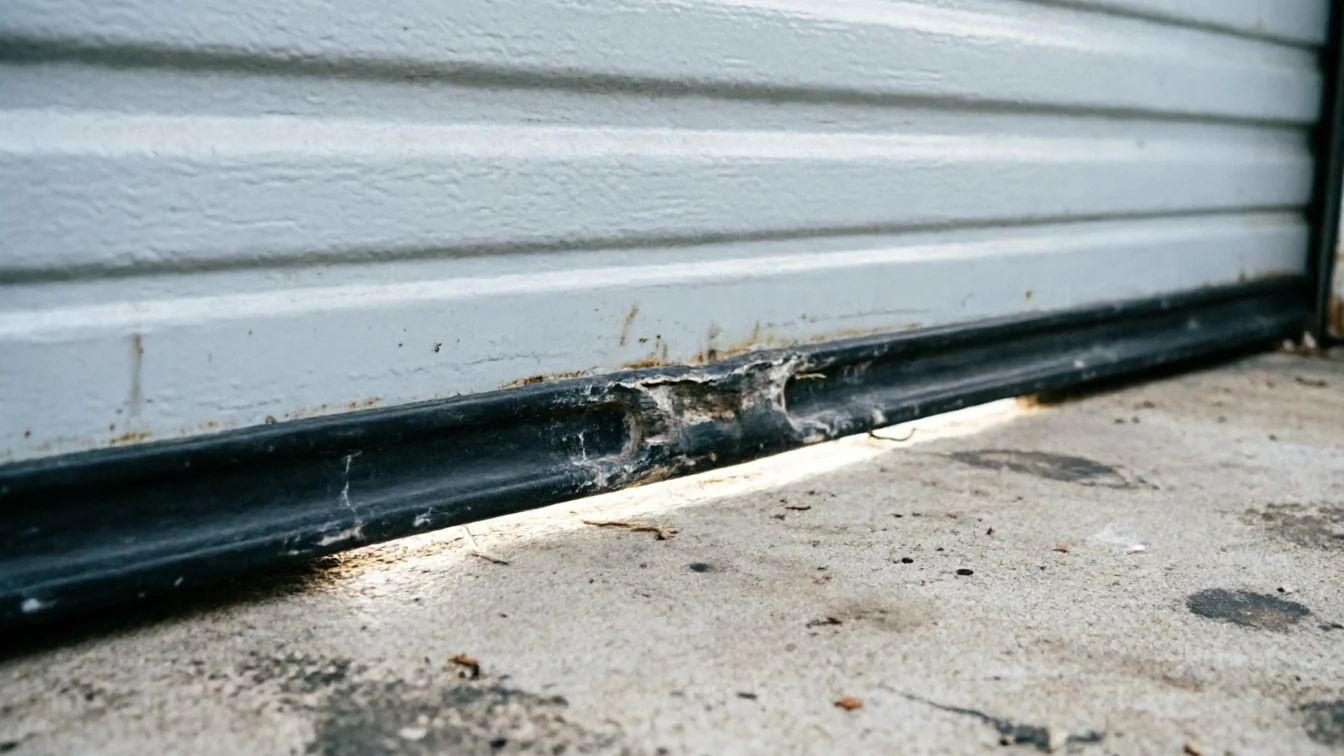
Benbrook homes built 1953-2011 often have worn garage door weather seals letting in draughts.
Read moreReady when you are
Benbrook Garage Door Pros repairs and installs garage doors, springs and openers in Benbrook, TX and the surrounding area.