
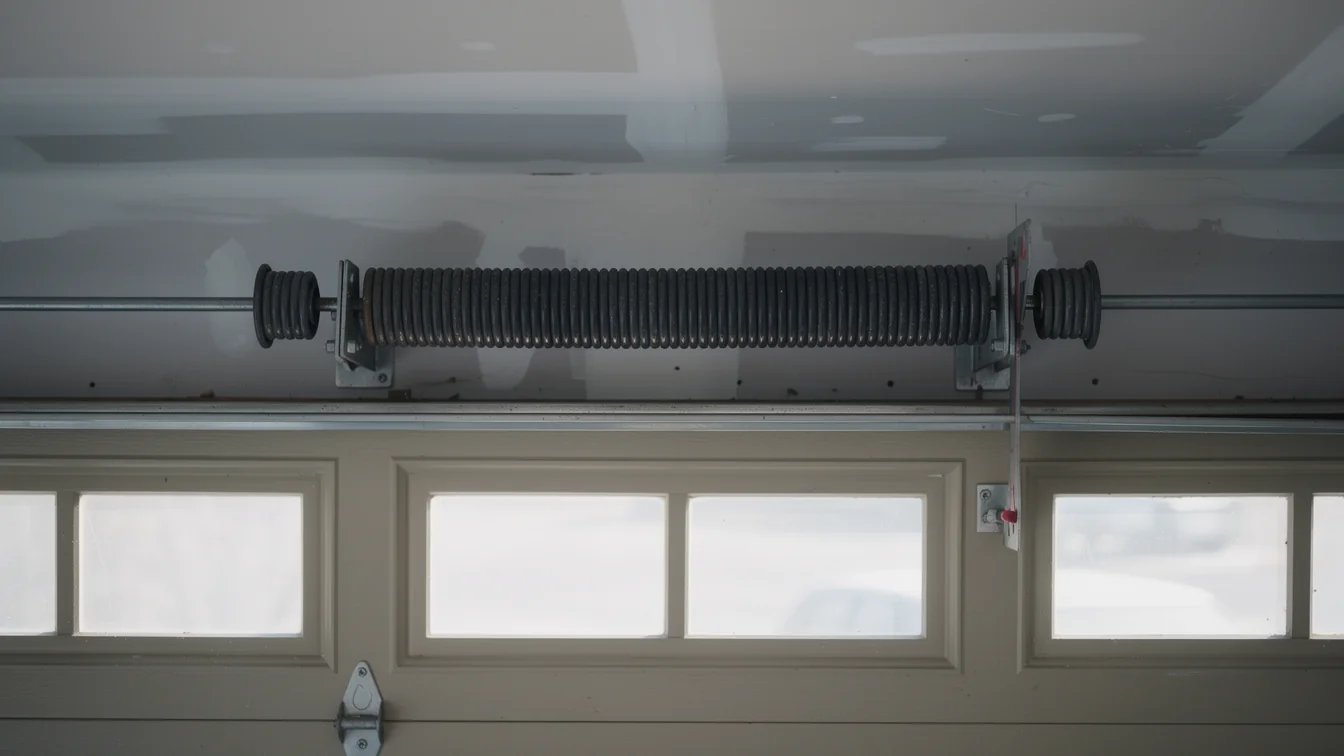
Garage Doors Built for Benbrook's 1980s-90s Housing Stock
Benbrook homes mostly date 1953-2011, many from the 1980s-90s boom, and the moderate heat band changes how springs, openers, and tracks fail here over time.
Read moreBlogBenbrook, TX · 4 min read
Many Benbrook houses date to the 1980s and 90s, just ahead of standard insulated garage doors. Here's what that original single-layer steel means for your house now.
Local detail
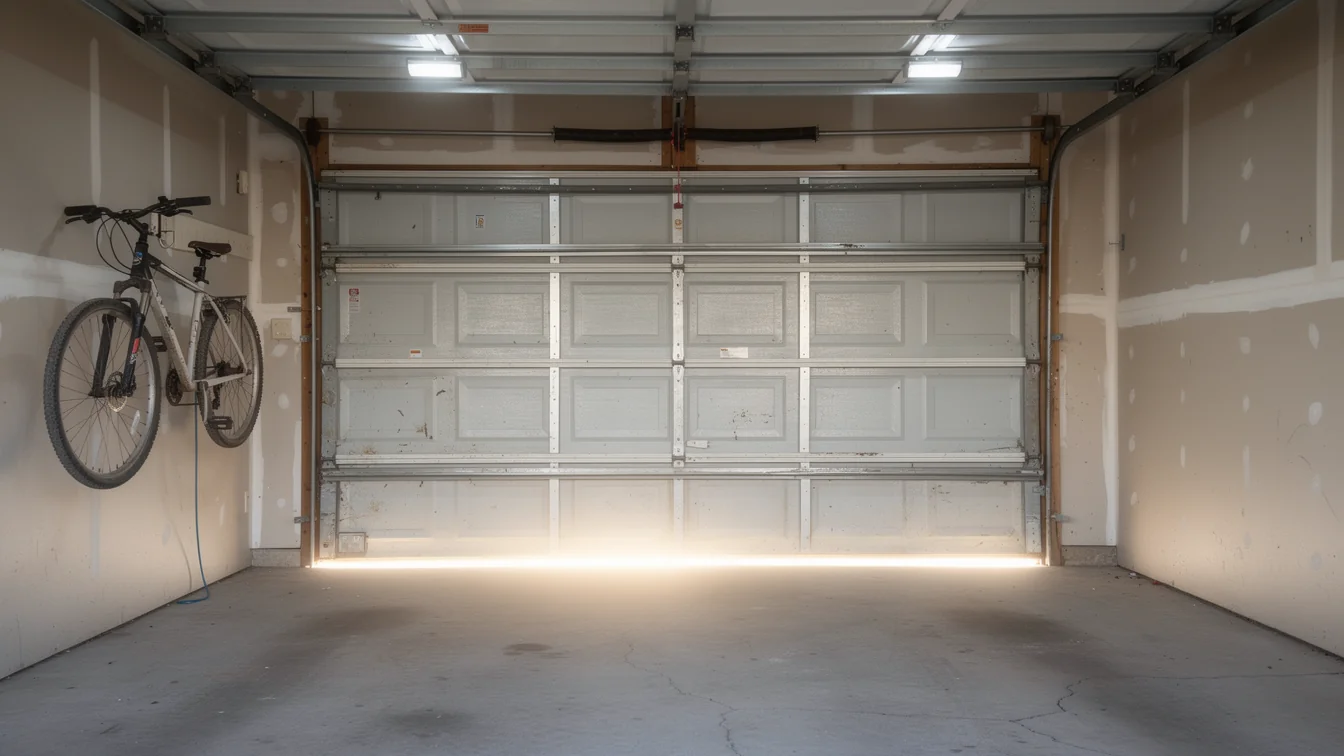
Housing in this service area went up mostly between 1953 and 2011, with the median build year landing around 1991. That median matters: across the 23 named areas that make up the stock here, the bulk of homes are 1980s and 90s construction, which puts most original garage doors right before insulated steel panels became a standard builder option rather than an upgrade.
What that means in practice: the door on a lot of these houses is a single layer of steel, no foam core, hung on the original torsion or extension spring setup from whenever the house was framed. It wasn't built wrong - it was built to the standard of its decade. But a single-layer panel does two things an insulated one doesn't. It transfers outside air temperature into the garage almost one-to-one, and it dents and oil-cans (that wavy flex you see in direct sun) more than a foam-backed door of the same gauge.
If your garage shares a wall with a bedroom or laundry room, that temperature transfer isn't cosmetic - it's load on whatever's heating or cooling that room. That's the local condition. It's not a hunch about old houses in general, it's what the build-year spread here actually does to the door most people already have.
The area
I'm not going to hand you a number here, because the honest range depends on three things that vary house to house: the door size, whether you want an insulated replacement or just a repair to the panel you've got, and whether the spring and track need work at the same time. Those variables move the job more than the town does.
What I can tell you from working in this area: with a median household income of $92,599 across the service area, most owners we talk to choose a full door swap over a third or fourth patch on a panel that's already thirty-plus years old. That's not a sales pitch, it's just the pattern - once you've replaced a few sections and a roller or two, the math usually tips toward a new insulated door rather than chasing parts for the old one.
And with 36,099 owner-occupied houses out of 58,687 households in this area, there's a lot of original equipment still in service. If you're still on the door your house came with, you're not unusual - you're just due for the conversation about whether to repair or replace, and that conversation needs your actual door in front of me, not a quote off a website.
What we find
This area sits in a moderate-heat climate band, not the extreme end some regions deal with. That's worth saying plainly because it changes what actually breaks. An uninsulated steel door here doesn't warp from heat the way it might somewhere hotter - but it does go through the expand-and-contract cycle every summer and every cool snap, and it's been doing that since sometime in the 1980s or 90s on most of these houses.
Over three or four decades that cycle works on the hardware before it works on the panel. Hinges loosen in their screw holes. Track bolts back out a quarter turn at a time. The spring, which was sized for the door's weight when new, is carrying the same load today but after thousands more open-close cycles than the day it was installed. None of that is dramatic. It's just wear that adds up quietly, and it's why a door that
Questions
If it's an original single-layer steel panel from a 1980s or 90s build, you can sometimes retrofit a foam insulation kit, but it depends on the panel's condition and the track hardware behind it. On a door that's already dented or oil-canning badly, a new insulated door usually makes more sense than adding foam to a tired panel.
This area's climate band is moderate heat, not extreme, so you're not likely to see the warping or cracking that shows up in hotter regions. What you will see is steady temperature transfer into the garage and gradual wear on hinges and track from decades of expansion and contraction cycles.
Once a door from that era has had more than one or two panel or roller repairs, replacement usually costs less over time than continuing to patch it, especially since most owners in this area end up choosing a new insulated door rather than sourcing parts for a thirty-year-old one.
Recommendation
More garage door guides for Benbrook homeowners.
Benbrook homes mostly date 1953-2011, many from the 1980s-90s boom, and the moderate heat band changes how springs, openers, and tracks fail here over time.
Read more
Benbrook homes built mostly between 1980 and 2000 show specific garage door noise patterns tied to age and Texas heat.
Read more
Benbrook homes built 1953-2011 run a mix of opener generations.
Read moreReady when you are
Benbrook Garage Door Pros repairs and installs garage doors, springs and openers in Benbrook, TX and the surrounding area.